Description
Sources of Industrial Wastewater
Types of ETP (Effluent Treatment Plant)
1. Chemical ETP
Physio-Chemical ETP
Uses chemical methods to treat wastewater, removing solids and contaminants.
Bio-Chemical ETP
Uses microorganisms to remove organic pollutants, include chemical treatments for enhanced efficiency.
2. Biological ETP
Activated Sludge Process (ASP)
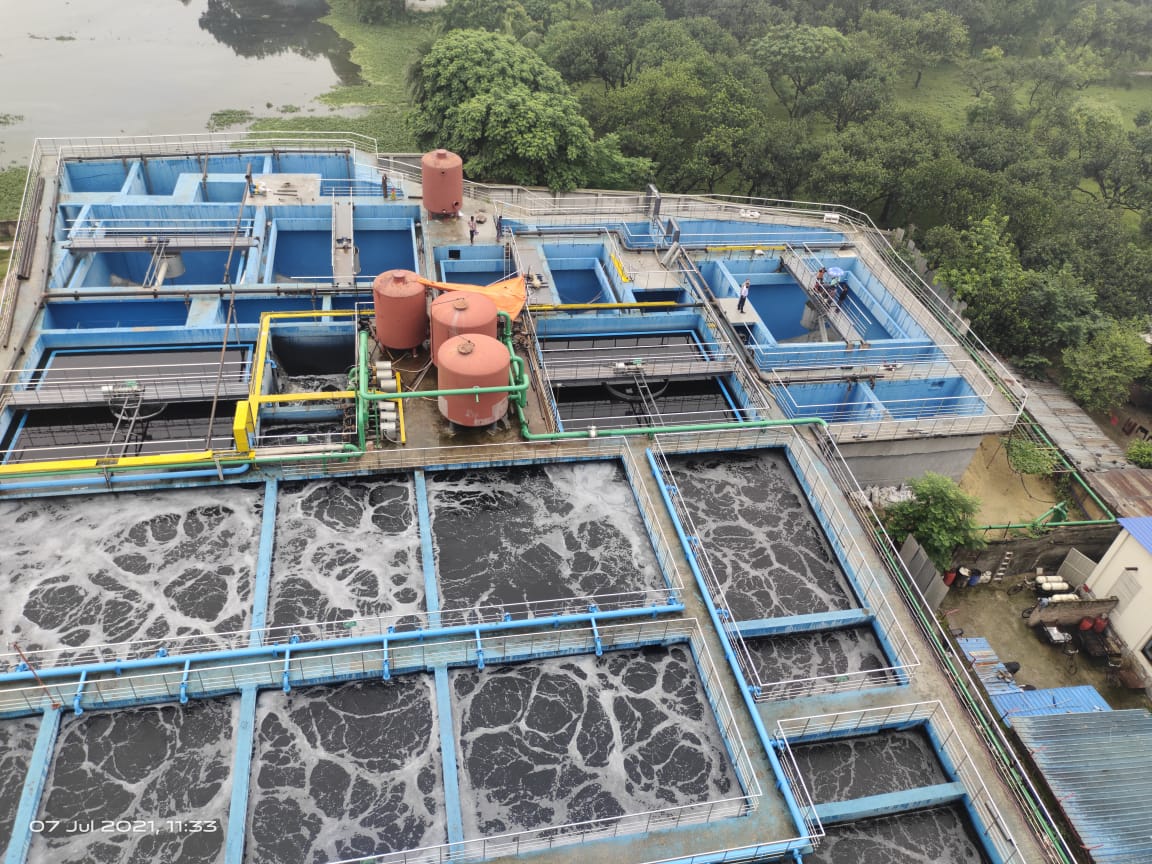
In ASP, aeration tanks promote the growth of microorganisms that consume organic matter. The resulting sludge is then separated, treated, and disposed of appropriately. This process is widely used due to its efficiency in treating high organic loads.
Membrane Bio-Reactor (MBR)
MBR combines activated sludge treatment with membrane filtration. This results in higher-quality effluent, particularly for industries needing treated water for reuse. It’s an advanced method offering compact design and reduced space requirements.
Moving Bed Biofilm Reactor (MBBR)
MBBR involves biofilm carriers that move freely in aeration tanks. This enhances biological treatment, allowing for higher treatment capacity in smaller tank sizes. It is suitable for both municipal and industrial wastewater treatment.
Sequence Batch Reactor (SBR)
SBR is a batch process that treats wastewater in cycles. It allows for the treatment of different types of wastewater by controlling aeration and settling phases in sequence. SBR is cost-effective and used for treating low to medium strength wastewater.