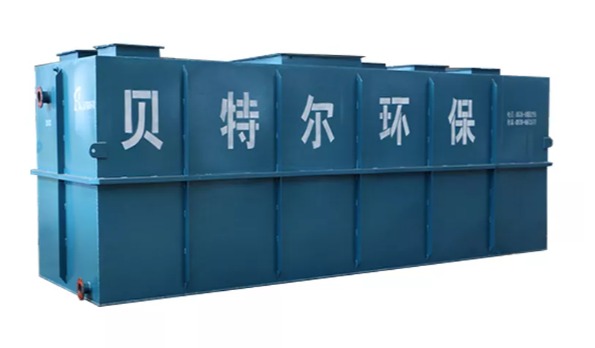

Description
Sources of Wastewater
Domestic
Toilet waste (blackwater) and sink, shower, and laundry water (greywater) from homes and apartments.
Commercial
Wastewater from hotels, malls, hospitals, and restaurants, often containing high amounts of oil, grease, and cleaners.
Municipal
Rainwater runoff from streets and roofs mixed with city sewage.
Types of STP Technologies
Activated Sludge Process (ASP)
The traditional method. Uses a large tank where air is blown in to help bacteria float and eat organic waste, followed by a separate settling tank.
Sequential Batch Reactor (SBR)
A space-saving system where all treatment steps (filling, aerating, settling, and draining) happen in cycles inside the exact same tank.
Moving Bed Biofilm Reactor (MBBR)
Uses thousands of small, floating plastic pieces inside the tank. This gives bacteria more surface area to grow, allowing the plant to treat more waste in a smaller space.
Membrane Bioreactor (MBR)
The most advanced method. Combines biological treatment with ultra-fine membrane filters that physically block all solids, bacteria, and viruses, producing highly recyclable water.