
Published by: Techno Bangla Engineering Ltd

Bio-Chemical vs. Bio-Logical ETP: Key Differences & Selection Guide
A practical guide comparing chemical dosing and microbial digestion setups, covering CAPEX, OPEX, footprint, energy, and process stability to help you select the ideal system.
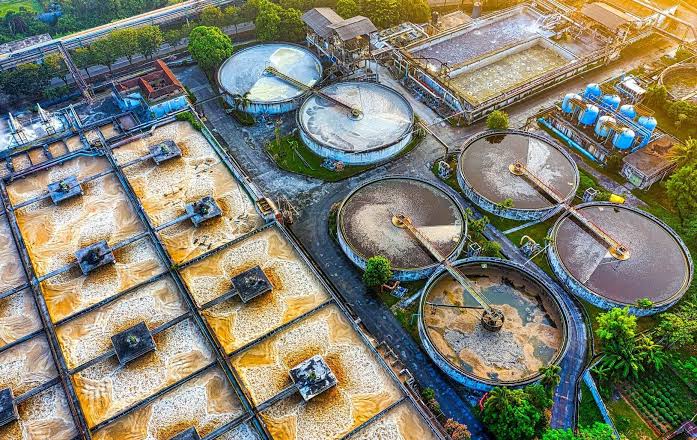
💡 Core Technical Takeaways
- Bio-Chemical ETP: Rapid physical-chemical reaction using alum, lime, and polymers to neutralize toxins, heavy metals, and non-biodegradable colors.
- Bio-Logical ETP: Natural biological process where living aerobic or anaerobic micro-organisms continuously consume dissolved organic pollutants.
Bio-Chemical ETP
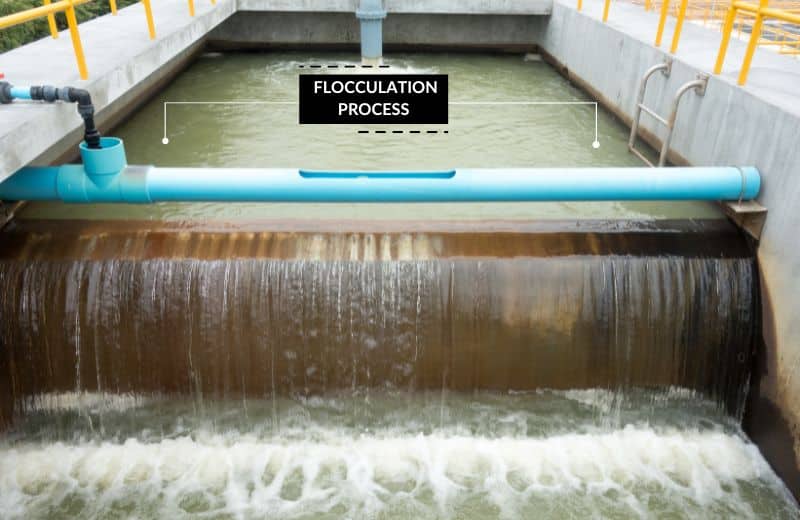
Chemical Coagulation
Ideal for raw industrial water with toxic chemicals, synthetic dyes, or heavy metals. It uses exact chemical dosing to clump floating suspended solids and heavy metals together for fast removal.
Operational Characteristics
- Compact design requiring smaller tank volume
- Handles toxic spikes without killing the treatment process
- Requires skilled operators for continuous chemical dosing
- Generates heavy inorganic chemical sludge
Bio-Logical ETP
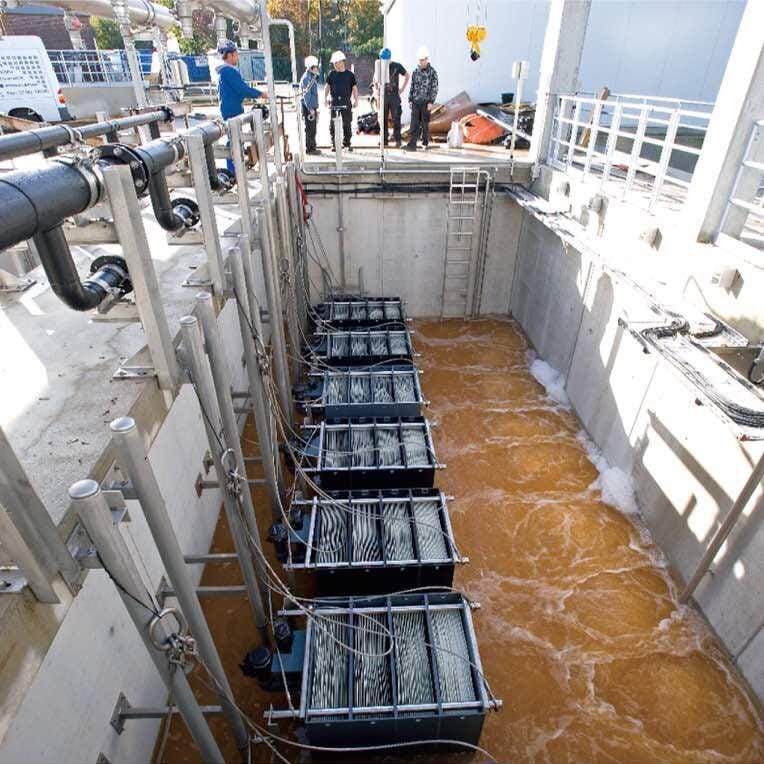
Microbial Digestion
Ideal for organic-rich wastewater from food, beverage, textile, and paper plants. Microscopic bacteria live inside aeration tanks, consuming organic waste and converting it into harmless carbon dioxide and water.
Operational Characteristics
- Requires larger land footprint for aeration and settling tanks
- Vulnerable to toxic chemical shocks that can kill active bacteria
- Simple daily routine once bacterial colony (MLSS) is healthy
- Generates nutrient-rich biological sludge
Technical System Matrix
| Evaluation Parameter | Bio-Chemical ETP | Bio-Logical ETP |
|---|---|---|
| Initial Capital Expense (CAPEX) | Lower to Moderate (Smaller tank structures, simple dosing units) | Moderate to High (Large civil tanks, heavy aeration blowers) |
| Daily Running Expense (OPEX) | High (Continuous purchasing of alum, lime, and polymers) | Low to Moderate (Mainly power for air blowers; lower chemical cost) |
| Land Area / Footprint Required | Compact (Saves space; ideal for small factory plots) | Large (Requires wide ground area for large aeration tanks) |
| Electricity Consumption | Moderate (Small flash mixers and dosing pumps) | High (Heavy air blowers running 24/7 to oxygenate bacteria) |
| Resistance to Toxic Shock | High (Chemical reactions are not affected by toxicity spikes) | Low (Sudden toxic chemical inflows can kill live bacteria) |
| Sludge Handling & Disposal Cost | High (Hazardous chemical sludge requires approved disposal) | Low (Safe organic biosludge can be dried or composted) |
| Target Wastewater Profile | Heavy metals, synthetic dyes, toxic chemicals, low BOD | High organic load (high BOD/COD), sugars, starches, fats |
Summary & Selection Guide
When choosing an Effluent Treatment Plant, consider your factory’s wastewater quality alongside your budget priorities. Bio-Chemical ETPs lower your initial construction costs (CAPEX) and land footprint, but increase your ongoing chemical purchasing costs (OPEX). Bio-Logical ETPs require more land and higher initial construction investment, but offer dramatically lower running costs over time. For complex industrial wastewater containing both dyes/toxic chemicals and organic matter, a Combined Bio-Chemical + Bio-Logical ETP provides the ultimate solution—using chemicals first to neutralize toxins, followed by bacteria to achieve complete environmental compliance.